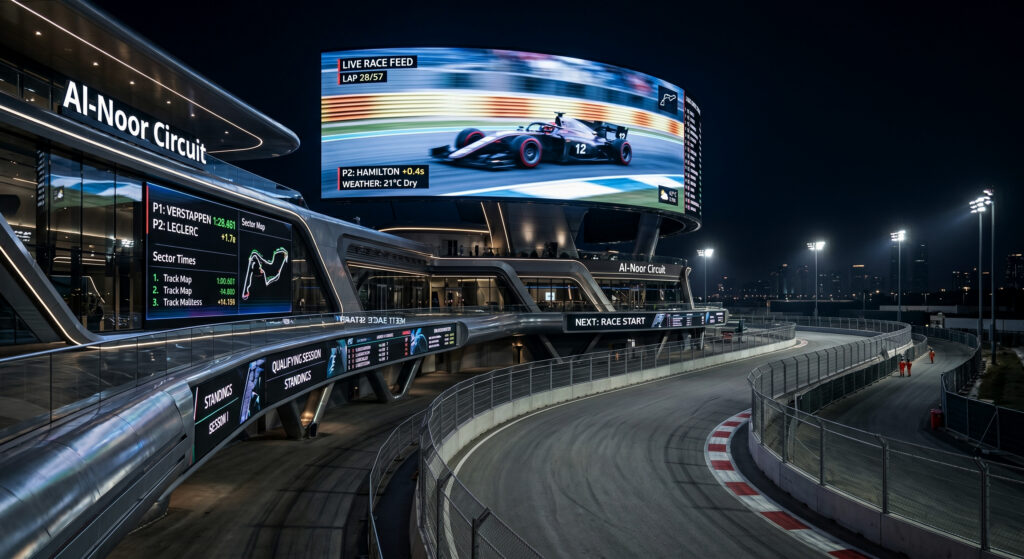
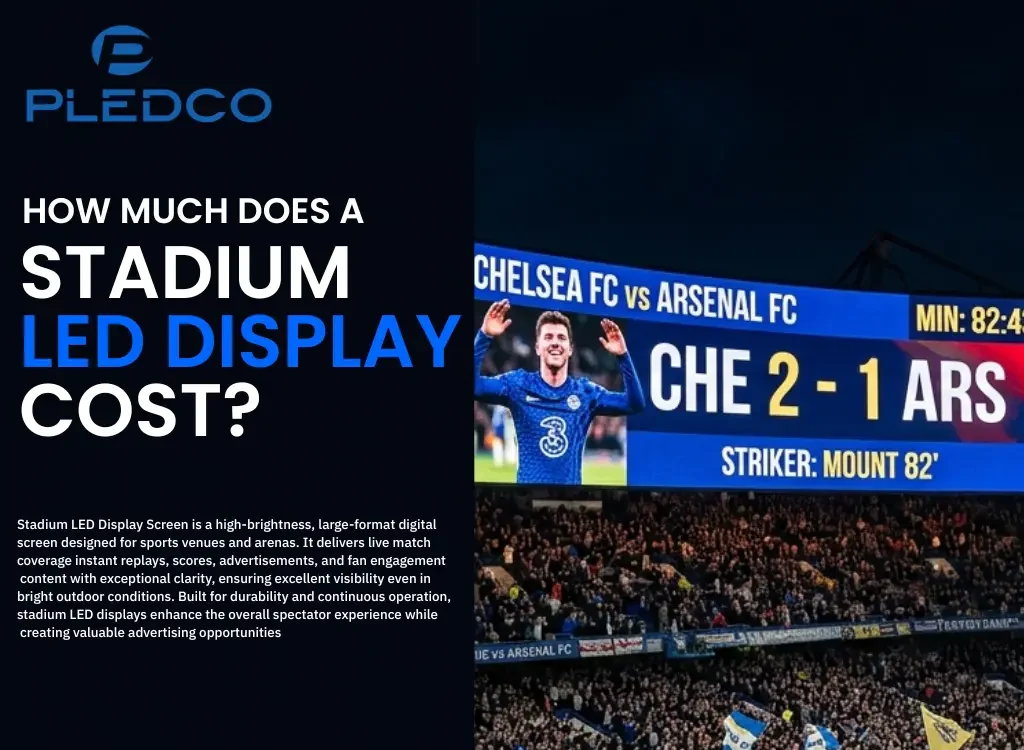
Sports stadiums have evolved significantly over the years. They are no longer simply venues where audiences gather to watch a match. Modern stadiums are immersive entertainment spaces that combine live sports, digital media, advertising, hospitality, and fan engagement. One of the most visible technologies contributing to this transformation is the large-format LED display.
From displaying live match footage and instant replays to showing scores, advertisements, player information, and sponsor campaigns, LED displays have become an important part of the modern stadium experience. However, one of the first questions venue owners and event organisers ask before investing in this technology is the cost.
The answer is not always straightforward because the price of a stadium display depends on several technical, structural, and operational factors. The size of the screen, pixel pitch, installation location, brightness, weather resistance, control systems, and maintenance requirements can all influence the final investment.
Understanding these factors can help stadium owners make more informed decisions and plan their budgets effectively.
Why Stadiums Invest in Large LED Displays
A modern stadium needs to communicate with thousands of spectators simultaneously. Traditional signs and static boards have limited capabilities, while digital displays can deliver dynamic content in real time.
A stadium display can be used for:
- Live game footage
- Instant replays
- Scores and statistics
- Player introductions
- Event announcements
- Sponsor advertisements
- Promotional campaigns
- Fan engagement content
- Social media content
- Emergency communication
This makes the technology useful for both entertainment and operational communication.
Beyond improving the spectator experience, these displays can also create additional commercial opportunities. Advertising content can be updated for different matches, events, sponsors, and campaigns, allowing stadium operators to make better use of their available visual space.
Screen Size Has a Major Impact on Cost
One of the most obvious factors affecting the cost is the physical size of the display.
A small screen used for score updates requires significantly fewer components than a large video board designed to provide visibility across an entire stadium.
The size requirement depends on:
- Stadium capacity
- Viewing distance
- Screen location
- Content requirements
- Seating arrangement
- Available structural space
A display installed behind a goal may require different dimensions from a centre-hung screen suspended above the playing area.
While larger displays can create greater visual impact, choosing the right size is more important than simply selecting the biggest possible screen. A properly sized display provides better value and ensures that content can be viewed comfortably by the intended audience.
Pixel Pitch and Viewing Distance
Pixel pitch is another important factor that influences the price of a display.
It refers to the distance between individual pixels. A smaller pixel pitch generally provides greater image detail, making it suitable for situations where viewers are relatively close to the screen.
A larger pixel pitch may be sufficient when the audience is positioned farther away.
Choosing the right pixel pitch requires an understanding of:
- The closest viewing distance
- The farthest viewing distance
- The type of content displayed
- The required image quality
- The available budget
Selecting a specification that is higher than necessary can increase project costs without providing a noticeable benefit to the audience.
Indoor and Outdoor Stadium Displays
The installation environment also affects the total investment.
Outdoor stadium displays must be designed to operate in changing environmental conditions. They may need protection against:
- Rain
- Dust
- Wind
- Humidity
- Direct sunlight
- Temperature changes
This means outdoor installations may require specialised construction and protective features.
Indoor arenas generally do not face the same weather conditions, but they may still require specific brightness levels, ventilation systems, structural support, and safety measures.
The intended environment should therefore be considered before choosing the display technology.
Brightness Requirements
Brightness plays an important role in ensuring visibility.
An outdoor display must remain clear even when exposed to strong daylight. At the same time, it should provide comfortable viewing during evening events.
The required brightness can depend on:
- Direct sunlight exposure
- Installation direction
- Viewing distance
- Indoor or outdoor use
- Type of content
A display with appropriate brightness ensures that advertisements, match footage, graphics, and announcements remain visible to spectators.
Control Systems and Video Processing
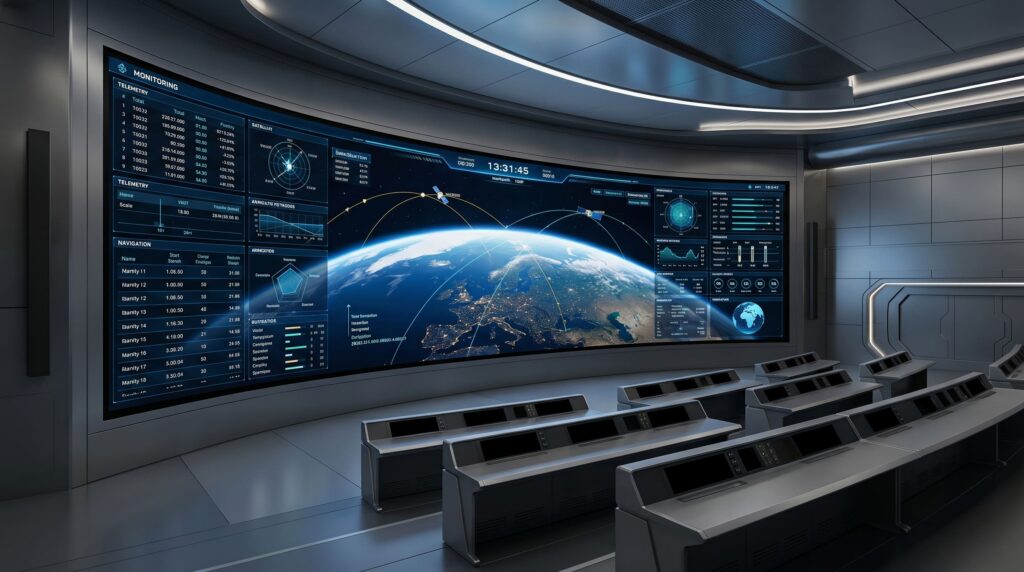
The LED panels are only one part of a complete stadium display system.
A professional installation may also require:
- Video processors
- Media servers
- Control software
- Signal distribution systems
- Camera integration
- Content management platforms
- Backup systems
These components allow stadium operators to control live feeds, advertisements, instant replays, graphics, and other forms of content.
For large venues that host multiple sporting events and entertainment programmes, advanced control systems may be necessary to manage different content sources efficiently.
Installation and Structural Requirements
Large displays require strong and reliable structural support.
Depending on the installation location, the project may involve:
- Steel support structures
- Custom mounting systems
- Rigging equipment
- Structural engineering
- Lifting equipment
- Electrical installation
- Professional installation teams
The complexity of the stadium can have a significant effect on the overall cost.
For example, installing a display on an existing structure may require additional engineering and reinforcement. In a newly constructed stadium, the display infrastructure can often be incorporated into the original design.
Power and Electrical Infrastructure
A large stadium display requires a reliable power supply to operate consistently.
The project may require:
- Electrical distribution systems
- Power panels
- Cabling
- Surge protection
- Backup power systems
- Energy management solutions
Modern LED technology is designed to be energy efficient, but a large display will naturally consume more electricity than a smaller installation.
Venue operators should therefore consider both the initial installation cost and the long-term energy requirements.
Advertising Opportunities Can Improve ROI
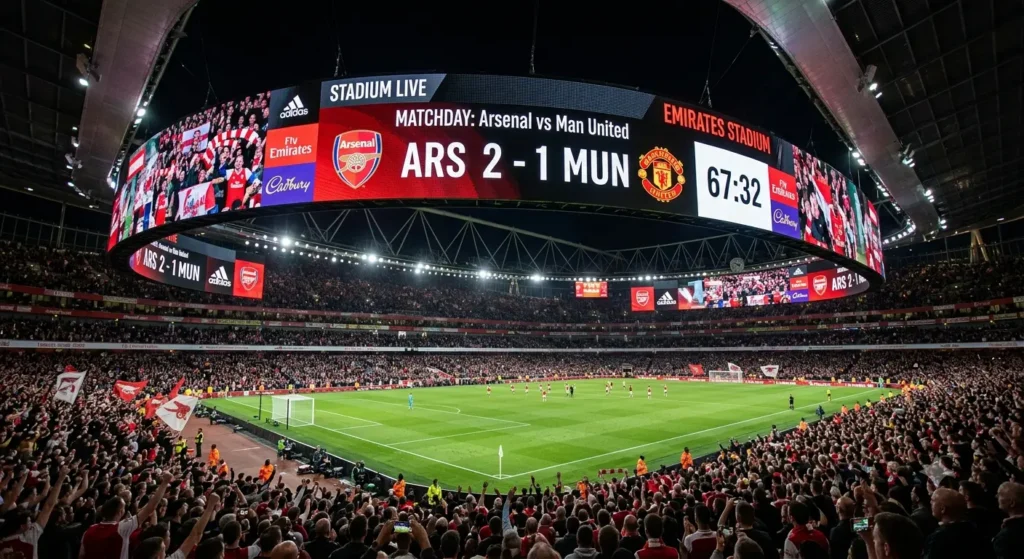
One of the major advantages of installing a stadium led display is the opportunity to generate additional commercial value.
Stadium operators can use digital displays to promote:
- Event sponsors
- Brand advertisements
- Merchandise
- Food and beverage offers
- Upcoming matches
- Ticket promotions
- Partner campaigns
Unlike printed advertising, digital content can be changed quickly and scheduled according to different events.
This flexibility can help stadiums create multiple advertising packages and increase the value offered to sponsors.
Maintenance and Long-Term Costs
The initial purchase price is not the only expense that should be considered.
Over time, stadium operators may need to budget for:
- Routine inspections
- Cleaning
- Module replacement
- Power supply servicing
- Software updates
- Calibration
- Technical support
Regular maintenance helps reduce unexpected downtime and protects the long-term performance of the system.
A maintenance agreement can also make it easier for venue operators to plan their ongoing expenses.
What Determines the Final Price?
The cost of a stadium led display can vary considerably depending on the project.
The most important factors include:
- Display Size: Larger screens require more LED modules, cabinets, power systems, and structural support.
- Pixel Pitch: Higher pixel density may increase the cost but can improve image quality for close viewing.
- Installation Environment: Outdoor displays may require greater protection against environmental conditions.
- Brightness: High-brightness systems may be necessary for displays exposed to direct sunlight.
- Control Technology: Advanced processing and content management systems can add to the overall investment.
- Structural Requirements: Complex mounting locations may require additional engineering and construction work.
- Installation Complexity: Site access, lifting requirements, labour, and electrical work can influence the final cost.
- Maintenance Support: Long-term service agreements and technical support may form part of the overall project budget.
Because every stadium is different, a customised quotation is generally more accurate than relying on a standard price estimate.
How to Plan a Stadium LED Display Budget
A structured approach can help organisations avoid unexpected expenses.
Define the Main Purpose
Determine whether the display will primarily be used for live video, advertising, scoring, announcements, or a combination of purposes.
Study the Venue
Evaluate the seating arrangement, viewing distances, installation location, and available infrastructure.
Establish Technical Specifications
Determine the required screen size, pixel pitch, brightness, refresh rate, resolution, and environmental protection.
Include Supporting Equipment
Budget for processors, media servers, cameras, content management systems, and network infrastructure.
Consider Installation Requirements
Include structural support, transportation, lifting equipment, electrical work, testing, and commissioning.
Plan for Future Costs
Consider energy consumption, maintenance, software upgrades, and technical support.
This approach gives stadium operators a more realistic understanding of the total investment.
Choosing the Right Supplier
Selecting a reliable supplier is an important part of any large-scale display project.
A professional supplier should be able to provide:
- Site assessment
- Technical consultation
- Product recommendations
- Installation services
- System testing
- Maintenance support
- Technical assistance
Experienced suppliers can identify potential technical challenges before installation begins and recommend solutions suited to the venue.
Is a Stadium LED Display a Worthwhile Investment?
Although a large digital display may require considerable initial investment, it can provide long-term value to a stadium.
Potential benefits include:
- Improved spectator experience
- Better visibility of match content
- Increased sponsor exposure
- Additional advertising opportunities
- Stronger venue branding
- More effective event communication
The value of the system should therefore be evaluated beyond its purchase price.
A well-planned display can support both audience engagement and revenue generation for many years.
Conclusion
The cost of a stadium display depends on a combination of factors, including size, pixel pitch, brightness, installation environment, structural requirements, control systems, power infrastructure, and maintenance needs. Since no two stadiums have exactly the same requirements, the final investment can vary significantly from one project to another.
The best approach is to begin with a detailed assessment of the venue and its objectives. Choosing the right specifications, planning the supporting infrastructure, and working with an experienced supplier can help stadium operators achieve a balance between performance, cost, and long-term value.
A modern digital display is more than a large screen. It is a powerful platform for entertainment, communication, advertising, and audience engagement. With proper planning and professional installation, it can become one of the most valuable visual assets in a modern sports venue.