In today’s digitally connected world, businesses face increasing competition for customer attention. Traditional communication methods such as printed advertisements, static signage, and text-heavy messaging are becoming less effective in engaging modern audiences. Customers now expect faster, clearer, and more visually engaging experiences.
What Is Digital Visual Communication?
Digital visual communication refers to the use of digital technologies to present information visually through screens, graphics, videos, animations, digital signage, and interactive displays.
Unlike traditional communication methods, digital systems allow businesses to deliver real-time, engaging, and highly customizable content.
Examples include:
- LED display screens
- Digital signage systems
- Interactive kiosks
- Video walls
- Smart information displays
- Corporate digital communication systems
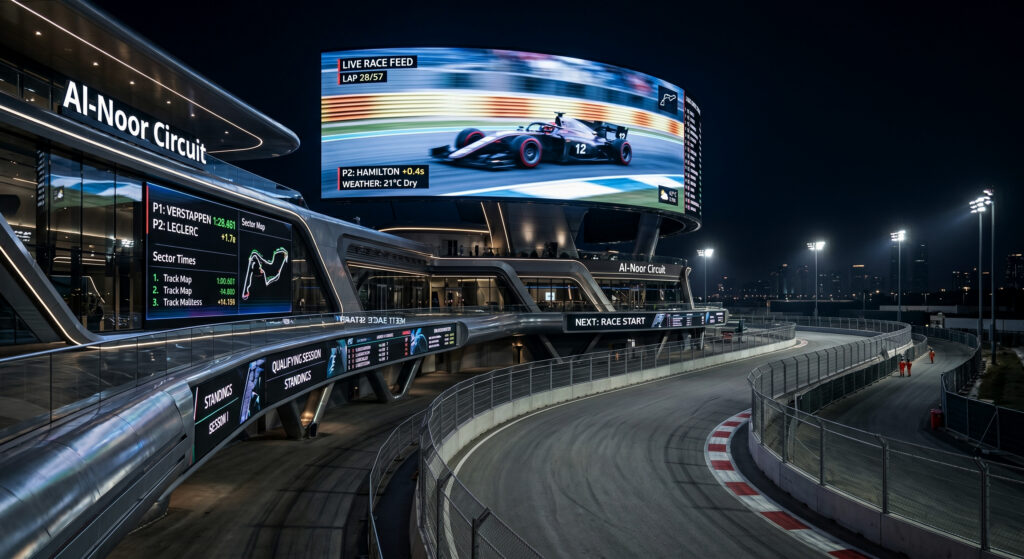
- Transportation information screens
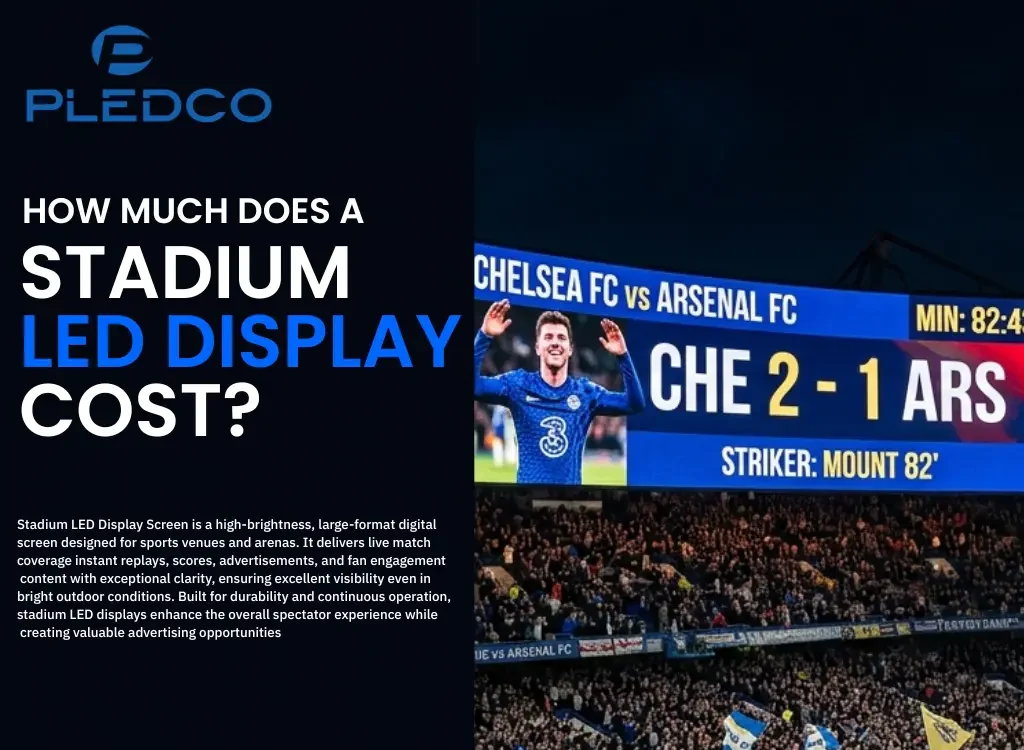
- Advertising displays
Businesses across industries now rely on digital communication tools to improve how they connect with customers, employees, and the public.
Why Traditional Communication Is Becoming Less Effective
Traditional business communication methods often struggle to capture attention in fast-paced environments.
Printed advertisements and static displays have several limitations:
- Limited flexibility
- High replacement costs
- Static messaging
- Lower engagement rates
- Difficult content updates
Modern consumers are exposed to thousands of messages daily. Businesses need more dynamic ways to stand out and communicate effectively.
Digital visual communication solves this problem by creating more interactive, attention-grabbing experiences.
Better Customer Engagement
Visual content naturally captures attention more effectively than plain text.
Research consistently shows that people process visual information faster and remember visual experiences longer than written content.
Digital displays help businesses communicate through:
- Videos
- Motion graphics
- Real-time promotions
- Interactive experiences
- Dynamic advertisements
- Branded digital messaging
This creates stronger customer engagement and better brand recall.
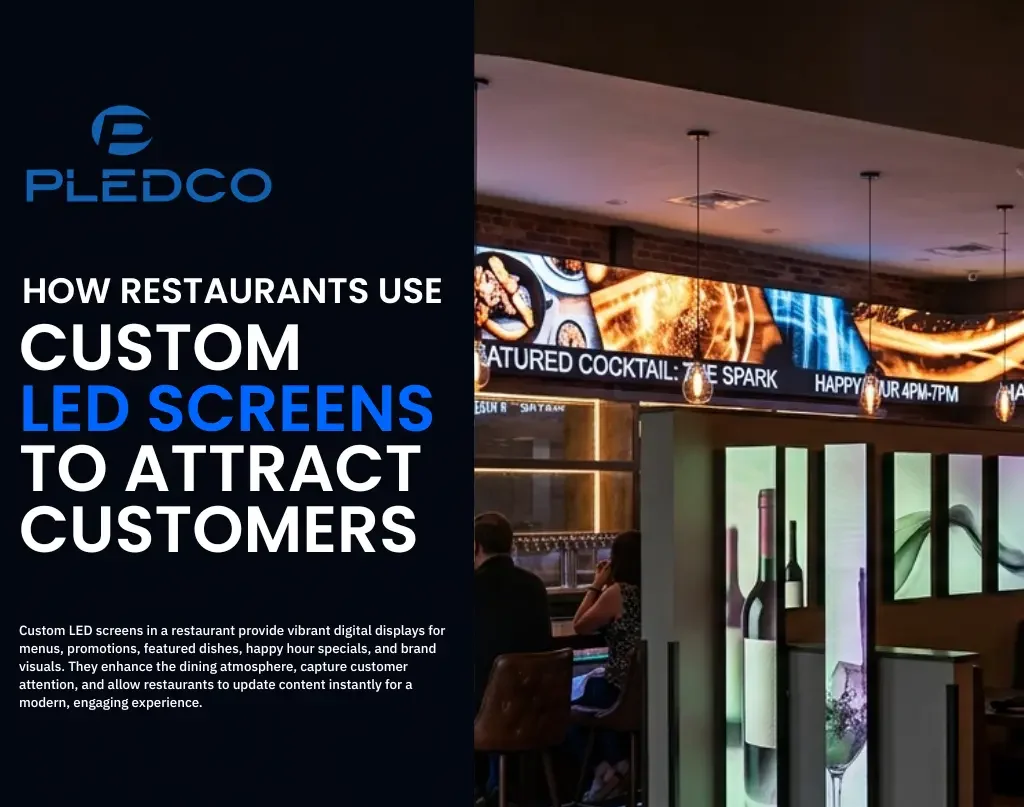
For example, retail stores using digital signage often attract more customer attention compared to traditional posters.
Industry Applications of Digital Visual Communication
Retail Industry
Retail businesses use digital communication for:
- Product promotions
- Interactive advertising
- Window displays
- Customer engagement
Corporate Offices
Businesses use displays for:
- Internal communication
- Meeting room systems
- Company announcements
- Performance dashboards
Transportation
Airports, railways, and public transport systems use digital displays for:
- Passenger information
- Live schedules
- Safety communication
- Navigation systems
Hospitality Industry
Hotels and entertainment venues use digital signage for:
- Guest information
- Event schedules
- Digital wayfinding
- Promotions
Healthcare
Hospitals use digital communication for:
- Patient information
- Queue systems
- Health awareness messaging
- Emergency alerts
Data-Driven Communication
Modern digital systems provide businesses with valuable analytics.
Companies can track:
- Customer engagement
- Advertisement performance
- Content effectiveness
- Audience behavior
This helps businesses improve communication strategies and make smarter marketing decisions.
Traditional signage cannot provide this level of performance insight.
Sustainability Benefits
Many businesses are adopting sustainable practices.
Digital visual communication reduces paper waste and printed materials by replacing:
- Posters
- Flyers
- Printed menus
- Advertising banners
- Static signage
This contributes to environmentally responsible business operations while maintaining strong communication standards.
Energy-efficient LED technologies also reduce power consumption.
Conclusion
Digital visual communication is rapidly becoming the future of business because it offers better engagement, flexibility, branding, efficiency, and long-term cost savings.
From LED displays and digital signage to interactive technologies and smart communication systems, businesses across industries are embracing digital transformation to improve how they connect with customers.
As customer expectations continue evolving, companies investing in modern visual communication technologies will gain stronger competitive advantages and create more meaningful customer experiences.
Businesses that adapt early will be better prepared for the future of communication.