In today’s highly visual and competitive business environment, LED display technology has become an essential communication and branding tool for organizations across industries. Whether it is for advertising, information sharing, customer engagement, or immersive brand experiences, LED screens offer unmatched visibility and flexibility.
However, one of the most common questions businesses face before investing in digital display technology is: Should you choose an indoor or outdoor LED screen?
The answer depends on several factors, including location, viewing distance, environmental conditions, content requirements, and business goals. Understanding the key differences between indoor and outdoor LED displays can help organizations make a smarter investment and maximize return on value.
This guide explores the differences, benefits, applications, and important considerations to help determine which LED screen solution is best for your business.
Understanding Indoor LED Screens
Indoor LED screens are designed specifically for enclosed environments such as retail stores, corporate offices, shopping malls, showrooms, conference halls, airports, educational institutions, hospitality venues, and entertainment spaces.
These displays prioritize high image quality, sharp resolution, and close viewing experiences.
Because viewers are usually positioned closer to the screen, indoor LED displays use smaller pixel pitches, which provide greater clarity and more detailed visuals.
Key Features of Indoor LED Screens
- High resolution for detailed image quality
- Superior brightness suitable for indoor lighting
- Lightweight and sleek design
- Seamless video wall integration
- Energy-efficient operation
- Better close-range viewing experience
Indoor LED displays are ideal for businesses that want to create visually engaging environments without the challenges of harsh weather exposure.
Common Applications of Indoor LED Displays
Retail and Shopping Centers
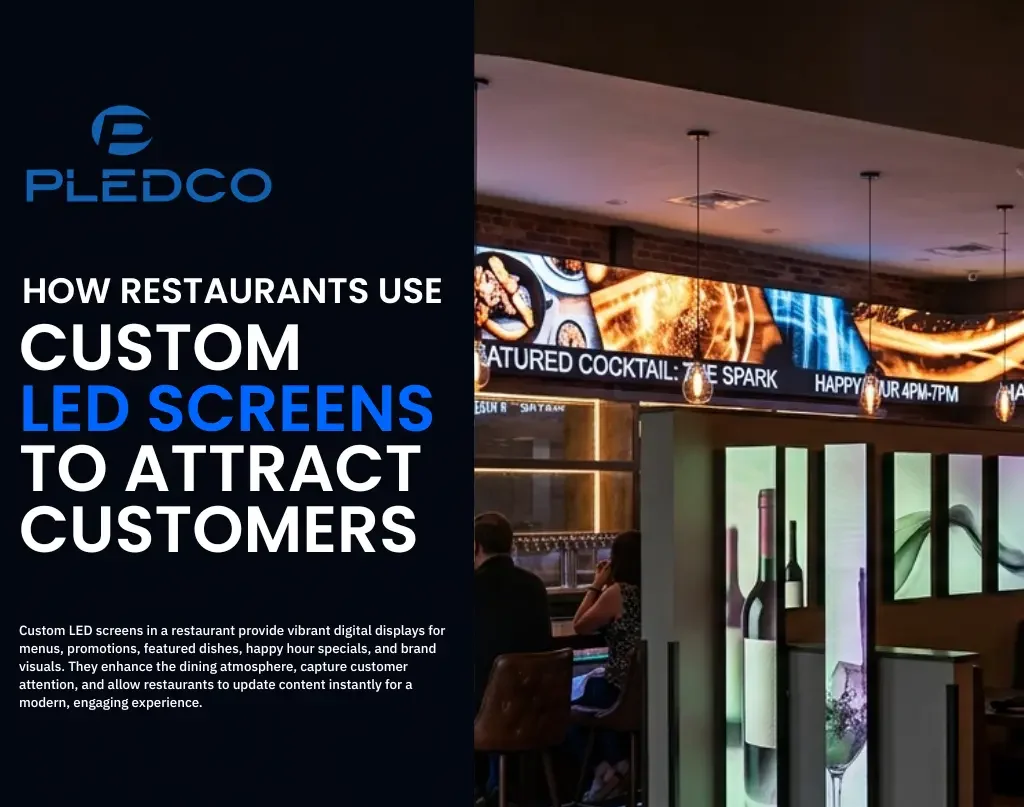
Retail businesses use indoor LED screens to display promotional campaigns, product launches, seasonal offers, and brand visuals that attract customer attention and increase engagement.
Corporate Environments
Companies install LED video walls in meeting rooms, boardrooms, and reception areas for presentations, branding, internal communications, and visitor experiences.
Hospitality and Entertainment
Hotels, restaurants, cinemas, event venues, and entertainment centers often use indoor LED displays to enhance ambiance and improve customer interaction.
Control Rooms and Command Centers
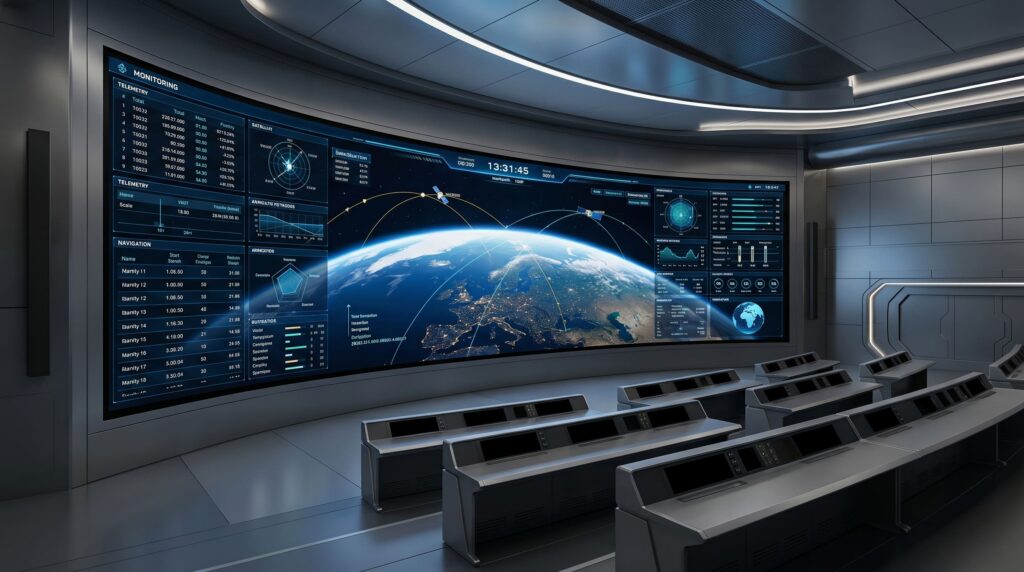
Industries such as transportation, utilities, and security rely on indoor LED walls for real-time monitoring and operational visibility.Understanding Outdoor LED Screens
Outdoor LED screens are engineered to operate in demanding external environments. Unlike indoor solutions, outdoor displays are built to withstand rain, dust, heat, wind, humidity, and direct sunlight while maintaining strong performance.
These screens are typically used for advertising, public communication, large-scale branding, and live content broadcasting.
Since outdoor displays are often viewed from longer distances, they generally use larger pixel pitches, allowing content to remain clear even from afar.
Key Features of Outdoor LED Screens
- High brightness for sunlight visibility
- Weatherproof and waterproof construction
- Durable materials for long-term performance
- Larger display sizes
- Excellent long-distance visibility
- Reliable operation in extreme environmental conditions
Common Applications of Outdoor LED Displays
Billboards and Advertising
Businesses use outdoor LED billboards for high-impact advertising campaigns, helping brands capture attention in busy urban areas.
Sports Arenas and Stadiums
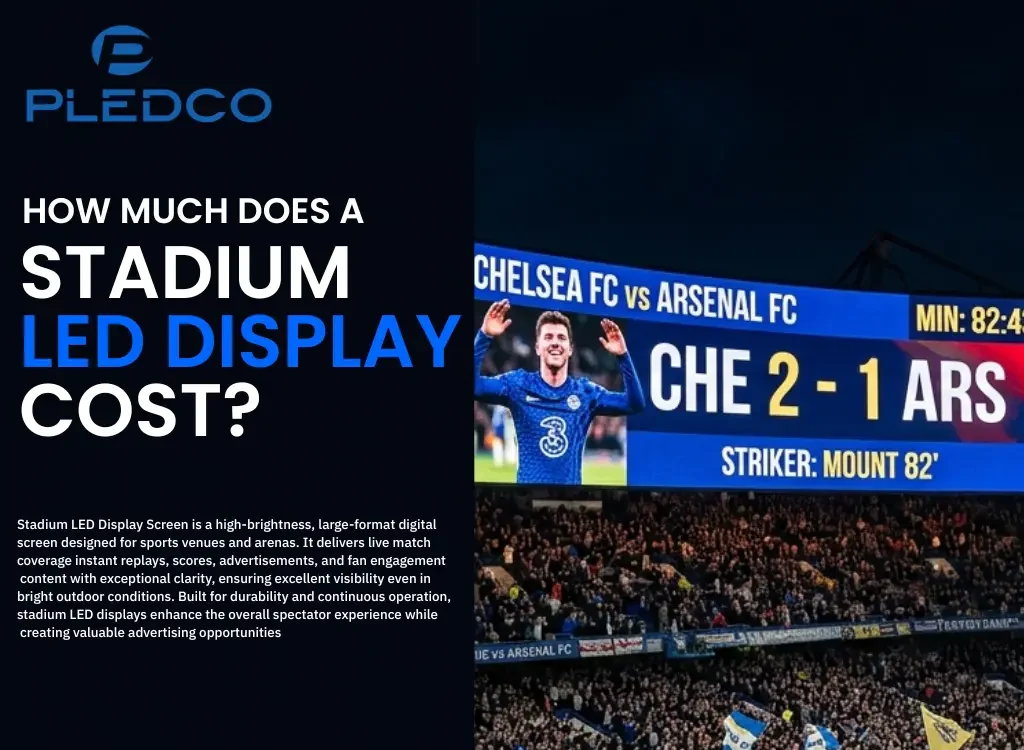
Large outdoor LED displays provide live game visuals, instant replays, advertising, and audience engagement.
Transportation Hubs
Airports, railway stations, and bus terminals rely on outdoor LED screens for announcements, schedules, and wayfinding information.
Public Spaces and Events
Concerts, festivals, exhibitions, and public gatherings frequently use large-format outdoor LED screens for broadcasting visuals to large audiences.Indoor vs Outdoor LED Screens: Major Differences
1. Brightness Levels
One of the biggest differences between indoor and outdoor LED screens is brightness.
Indoor LED displays require moderate brightness because they operate in controlled lighting conditions. Excessive brightness indoors can negatively affect viewing comfort.
Outdoor LED screens, however, require significantly higher brightness levels to remain visible under direct sunlight.
If your business location experiences strong natural light exposure, an outdoor LED solution becomes essential.
2. Weather Resistance
Indoor displays are not designed to withstand moisture, dust, or temperature fluctuations.
Outdoor LED displays include weatherproof protection with specialized enclosures and protective coatings that ensure reliable operation in changing climates.
For exterior installations, weather resistance is a non-negotiable requirement.
3. Image Resolution and Pixel Pitch
Indoor screens offer sharper image quality due to finer pixel pitch, making them suitable for close viewing distances.
Outdoor screens prioritize visibility from longer distances, meaning slightly lower pixel density but excellent readability from afar.
If your audience will be standing only a few feet away, indoor LED displays generally deliver a better visual experience.
4. Installation Environment
Indoor LED systems are often integrated into walls, reception areas, conference spaces, or retail interiors.
Outdoor LED screens require stronger structural support, weatherproof housing, electrical protection, and environmental planning.
Installation requirements can significantly influence overall project complexity and budget.
5. Maintenance Requirements
Outdoor LED systems usually require more regular inspections due to exposure to environmental elements.
Indoor displays generally experience less wear and tear, resulting in easier maintenance and longer component protection.Conclusion
Both indoor and outdoor LED screens offer powerful benefits, but the right solution ultimately depends on how and where your business plans to use the display.
If your goal is to create immersive visual experiences in retail, corporate, hospitality, or indoor environments, an indoor LED display offers exceptional image quality and customer engagement.
If your business requires high visibility in open environments, roadside advertising, public spaces, or large audience communication, an outdoor LED screen provides durability and performance under challenging conditions.
Understanding your business objectives, audience, and installation environment is the key to making the right investment in LED technology.